
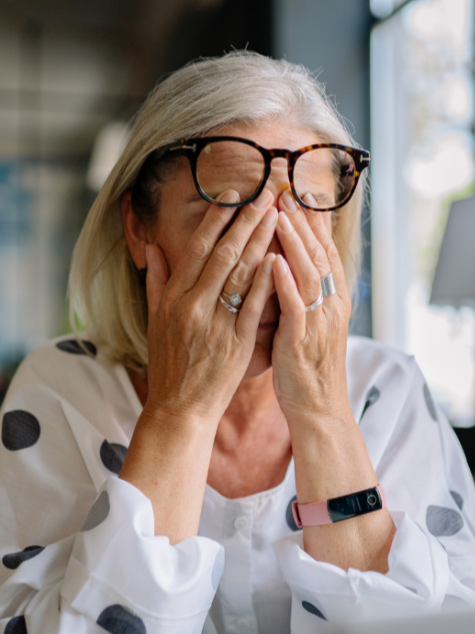
The Fine Phenomenon
Why So Many Women Say "Fine" When They're Actually Carrying Too Much
By Abigail Ajodha, Registered Psychotherapist
Women’s Therapy Centre | Virtual therapy across Canada
"How are you?"
"Fine."
"What would you like for dinner?"
"Whatever you want is fine."
"Can you take this on too?"
"Sure...that's fine."
"Are you upset?"
"No, I'm fine."
Most women don't notice how often they say the word. Not because they're lying. Because somewhere along the way, "fine" became easier than explaining.
Easier than asking for help. Easier than risking disappointment. Easier than admitting that carrying everything has become too heavy.
Over the years, I've started thinking about this pattern as The Fine Phenomenon.
It's not a diagnosis. It's simply a pattern I see in many women who have become so skilled at minimizing their own needs that "fine" becomes their default answer—even when it's the furthest thing from the truth.
The irony? Many of these women aren't just saying they're fine. They've become fine.
Fine with going last. Fine with carrying more than their share. Fine with not asking for what they need. Fine with convincing themselves that everyone else matters just a little bit more.
Until one day...Their body stops agreeing.
When "Fine" Stops Being an Answer
The word itself isn't the problem.
It's what it often replaces.
Sometimes "fine" really means:
"I'm overwhelmed."
"I'm exhausted."
"I'm hurt."
"I don't have the capacity for this."
"I'm afraid if I tell you how I'm really doing, you'll think I'm too much."
For many women, saying "fine" isn't about hiding the truth from other people. It's about slowly losing touch with it themselves.
What the Fine Phenomenon Looks Like
It doesn't always sound like "I'm fine."
Sometimes it sounds like:
- "It's okay."
- "Don't worry about me."
- "I can handle it."
- "It's easier if I just do it myself."
- "Whatever works for everyone else."
- "I'm used to it."
- "I don't really need anything."
It also looks like:
- never choosing the restaurant
- apologizing for taking up space
- avoiding difficult conversations
- saying yes when you desperately want to say no
- convincing yourself your needs can wait
- pretending you're less tired than you are
- putting everyone else's comfort ahead of your own
None of these moments seem particularly significant on their own. But over years, they quietly teach you something dangerous: That your needs are negotiable.
Somewhere Along the Way, Many Women Learned That "Fine" Was Safer
Very few women wake up one day and decide to disappear inside their own lives.
Usually, they learn.
Perhaps you grew up believing:
- Don't make life harder for other people.
- Be grateful.
- Don't complain.
- Be the easy one.
- Don't be dramatic.
- Keep the peace.
For some women, these messages came from childhood.
For others, they came from cultural expectations, caregiving roles, or relationships where expressing needs wasn't welcomed.
If this resonates, you may also enjoy First-Generation Women, Family Expectations, and the Weight of Responsibility, where I explore how family and cultural expectations can quietly shape the way women relate to their own needs.
The Cost of Always Being Fine
At first, the Fine Phenomenon can make you look incredibly capable.
People describe you as:
Reliable.
Selfless.
Strong.
Easygoing.
But internally, something very different is happening.
Over time, many women begin experiencing:
- chronic anxiety
- burnout
- resentment
- emotional exhaustion
- difficulty knowing what they actually want
- feeling disconnected from themselves
- guilt whenever they try to prioritize their own needs
The women who appear to have everything together are often carrying the heaviest emotional load. If you've become the person everyone depends on, you may also relate to The Invisible Load of Being the Default Parent: How It Quietly Affects Your Marriage.
When "Fine" Becomes Emotional Self-Abandonment
One of the hardest truths many women discover is this: Eventually, "fine" stops protecting you.
It starts disconnecting you. Every time you ignore your own needs...Every time you tell yourself, "It's not a big deal." Every time you stay quiet to avoid making someone uncomfortable...
You move a little further away from yourself. Not intentionally. Gradually. Almost invisibly.
Until one day you realize you've become incredibly good at caring for everyone except the one person who has been with you through all of it. You.
The Difference Between Being Kind and Disappearing
Many women worry that if they stop saying "fine," they'll become selfish. But there is a difference between kindness and self-abandonment.
Kindness says:
"I care about you."
Self-abandonment says:
"I'll ignore myself."
Healthy relationships have room for both people. Not just one.
What Healing Looks Like
Healing rarely begins with a dramatic life change.
Often, it begins with one honest answer.
Instead of:
"I'm fine."
Maybe it's:
"I'm actually overwhelmed."
"That hurt."
"I need help."
"I don't have the capacity for that today."
"I'd like something different."
Those sentences can feel uncomfortable. Not because they're wrong. Because they're unfamiliar. For many women, healing is simply practicing the truth after years of practicing "fine."
You Don't Have to Earn the Right to Have Needs
Somewhere along the way, many women learned that their needs should come after:
The children. Their partner. Work. The house. Their parents. Everyone else.
But your needs aren't something you earn once everyone else's have been met. They're part of being human.
You don't become more worthy of care after you've exhausted yourself. You already are.
If This Feels Familiar
If you've spent years saying you're fine while quietly carrying anxiety, emotional overwhelm, caregiving responsibilities, relationship stress, or the invisible mental load of holding everything together, therapy can help.
Together, we can explore where these patterns began, understand why asking for more feels so difficult, and help you build a life where your needs no longer come last.
Because maybe healing doesn't begin with a breakthrough. Maybe it begins the first time someone asks,
"How are you?"...and you give yourself permission to answer honestly.
Why Work with Abigail?
If this article felt like someone was putting words to experiences you've struggled to explain, you're not alone.
Abigail specializes in supporting women who carry emotional responsibility, feel guilty putting themselves first, struggle to ask for help, or have spent years saying they're "fine" while quietly becoming overwhelmed. Through EMDR therapy and trauma-informed care, she helps women understand where these patterns began so they can reconnect with themselves, strengthen boundaries, and build relationships that make space for their needs too.
Frequently Asked Questions
Why do I always say I'm fine when I'm not?
Many women develop this habit after years of prioritizing other people's needs or learning that expressing their own emotions feels unsafe, inconvenient, or burdensome. Over time, "I'm fine" can become an automatic response rather than an honest one.
Why is it so hard for me to ask for what I need?
Family roles, cultural expectations, caregiving responsibilities, trauma, and people-pleasing patterns can all make asking for support feel uncomfortable. Many women fear disappointing others or being seen as "too much."
Is constantly saying I'm fine a trauma response?
It can be. For some women, minimizing emotions or hiding their needs develops as a way to maintain safety, avoid conflict, or preserve relationships. Therapy can help you understand where these patterns came from and whether they're still serving you today.
Can always pretending I'm okay lead to burnout?
Yes. Continually suppressing your own emotions and putting everyone else's needs first can contribute to chronic stress, emotional exhaustion, anxiety, resentment, and caregiver burnout.
How can therapy help me stop putting myself last?
Therapy can help you recognize the patterns behind emotional self-abandonment, strengthen healthy boundaries, reconnect with your own needs, and learn that caring for yourself doesn't mean caring less for the people you love.
When to seek immediate support: If anxiety, trauma symptoms, or emotional distress are contributing to thoughts of self-harm, seek immediate support. In Canada, please call or text 9-8-8 for free, confidential crisis support. In emergencies, call 911. This article is for informational purposes only and does not replace medical or psychological care.
July 07, 2026
Topics: Growing Into Adulthood, Motherhood & Parenting, Relationships & Family Life, Career, Purpose & Work-Life Balance, Midlife & Aging
About the Author