
Mom Burnout & the Invisible Load: Why You’re Always Exhausted
By Abigail Ajodha, Registered Psychotherapist
Women’s Therapy Centre | Virtual therapy across Ontario and most provinces in Canada
You’re doing everything that needs to get done.
The meals.
The schedules.
The emotional check-ins.
The planning no one sees.
From the outside, it might look like you’re managing.
But inside?
It can feel like a constant mental load that never turns off.
Because it’s not just what you’re doing.
It’s everything you’re holding.
The remembering.
The anticipating.
The adjusting.
The emotional labour of keeping everything — and everyone — going.
This is what many mothers are experiencing.
And it has a name: It’s the invisible load of motherhood.
What Is the Invisible Load?
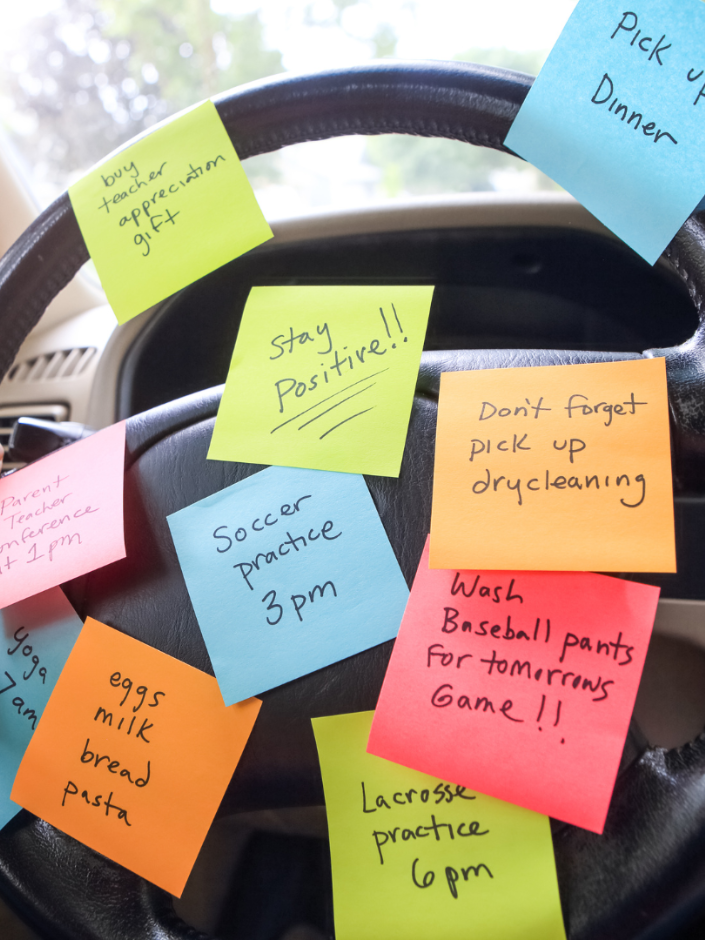
The “invisible load” refers to all the mental, emotional, and logistical labour that moms carry—the things that keep the family functioning but often go unnoticed or unacknowledged.
It’s not just doing the thing.
It’s being the one who always has to remember the thing.
The permission slips. The uniforms. The emotional temperature of the house.
Moms carry it all — quietly, automatically — because if they don’t, it doesn’t get done.
It goes unseen.
Unshared.
Unacknowledged.
Which means you’re not just doing more, you’re holding more.
Why Mom Burnout Feels Different
Burnout in motherhood isn’t just about doing too much.
It’s about never fully getting to stop.
Even when you sit down, your mind is still:
- planning
- tracking
- anticipating
There’s often a part of you that stays “on” —
not because you want it to,
but because it feels like everything depends on you.
And over time, that constant state of responsibility can become exhausting.
The Stats That Prove You’re Not Imagining This
A study from Bright Horizons found that 86% of working moms manage the family’s schedule—compared to just 12% of dads. Even in households where both partners work full-time, moms are still 3x more likely to handle the mental and emotional labour of the home. Let that sink in. The emotional and mental labour women carry isn’t just a household issue — it’s a global economic issue.
According to the International Labour Organization, women worldwide perform three times more unpaid care and domestic work than men. This includes childcare, eldercare, household management, emotional support — all of which is untracked, unpaid, and undervalued.
The result? Over 700 million women are excluded from the paid workforce — not because they’re unqualified, but because the unpaid work they do at home keeps them from participating in paid labour. And while this labour is invisible on paper, it’s costing women their careers, their health, and their sense of self — one unnoticed task at a time.
When Burnout Starts to Show Up
Mom burnout doesn’t always look like falling apart.
Often, it looks like continuing to function — just with less and less energy.
You might notice:
- irritability or a shorter fuse
- emotional exhaustion
- feeling numb or disconnected
- resentment you didn’t expect to feel
- difficulty enjoying things you used to
- guilt for wanting space or rest
There may be a part of you that says:
👉 “I should be able to handle this.”
And another part that quietly knows:
👉 “I’m really tired.”
Both can exist at the same time.
Why “Just Take a Break” Doesn’t Work
A lot of advice around burnout sounds simple:
“Take time for yourself.”
“Go for a walk.”
“Do something you enjoy.”
And while those things can help…
They don’t address the reality that many mothers are living in.
Because burnout here isn’t just about needing a break.
It’s about:
👉 a nervous system that rarely gets to fully settle
When you’re constantly anticipating needs, managing emotions, and holding responsibility, your system learns to stay alert.
Not because something is wrong with you. Because your environment requires it.
Signs You Might Be Experiencing Mom Burnout
Burnout doesn’t always look like collapsing on the kitchen floor. Sometimes, it’s more subtle. Here are a few red flags:
- Feeling numb or emotionally flat
- Constant irritability or snapping at loved ones
- Resentment toward your partner or kids
- Difficulty concentrating or remembering things
- Feeling like you’re failing—even when you’re doing everything
- Daydreaming about just disappearing for a day (or a week)
- Crying alone, but telling everyone you’re "just tired"
These aren’t personality flaws. They’re symptoms of chronic emotional overload.
You're Not Failing — You’re Burnt Out
You’re not failing at motherhood. You’re just carrying too much—and no one’s helping you put it down. Society has trained women to believe that being a “good mom” means being selfless. But selflessness, when stretched too far, becomes self-neglect.
You can’t pour from an empty cup.
You can’t parent from a place of depletion.
You can’t thrive if you're always surviving.
What Actually Helps...Instead of Just Coping
Supporting burnout in motherhood isn’t about doing more.
It’s about shifting how much you’re holding and how your system is supported.
This can look like:
- reducing mental load, not adding more expectations
- learning how your nervous system responds to stress
- creating moments of regulation, not perfection
- building support that understands your reality
- sharing responsibility where possible
And sometimes? It starts with simply naming what’s happening.
👉 This is not just stress.
👉 This is not just “a busy season.”
This is a pattern your system has been carrying for a long time.
You Deserve Support — Not Just Survival
At Women’s Therapy Centre, we understand that modern motherhood can be emotionally brutal—even when it’s also beautiful.
That’s why we’ve created a space just for moms — with clinicians who truly get it. Abigail and Sheena are moms themselves. They understand the heaviness that quietly lives beneath the joy of this season — the never-ending weight, the mental juggling, the emotional labour.
Your care is never one-size-fits-all. It's tailored to your unique journey, with support that recognizes that therapy should be a place to exhale — not another space filled with unrealistic expectations.
We help women who are:
- Feeling emotionally and physically burnt out
- Resentful but scared to admit it
- Losing their identity in the role of “mom”
- Craving peace, space, and validation
- Ready to finally focus on themselves
Therapy isn’t about fixing you.
It’s about freeing you—from the expectations, the guilt, and the belief that you have to do it all alone. Book a free 30-minute consultation call to chat with one of our clincians today to explore if therapy may be a supportive option for you.
Frequently Asked Questions
Why are so many moms experiencing burnout?
Many mothers carry a combination of practical responsibilities, emotional labour, and mental load that accumulates over time, often without adequate support or recognition. Society has shifted in ways that support women working outside of the home but often carry the expectation that women will continue to provide the same amount of support within the home, despite working full time outside of it.
What is the invisible load in motherhood?
The invisible load refers to the ongoing mental and emotional work involved in managing a household, anticipating needs, and coordinating responsibilities — much of which is unseen by others.
Why do I feel overwhelmed even when I’m “doing fine”?
It’s common to appear high-functioning externally while feeling internally exhausted. This often reflects a nervous system that has been under sustained pressure.
Can therapy help with mom burnout?
Yes. Therapy can help you understand patterns contributing to burnout, support nervous system regulation, and develop ways of sharing and reducing the load you’re carrying.
When to seek immediate support: If anxiety, trauma symptoms, or emotional distress are contributing to thoughts of self-harm, seek immediate support. In Canada, call or text 9-8-8 for free, confidential crisis support. In emergencies, call 911. This article is for informational purposes only and does not replace medical or psychological care.
September 16, 2025
Topics: Motherhood & Parenting
About the Author